Every 30–90 days depending on kitchen output
Grease Trap Cleaning
in Fort Lee, NJ
Grease trap cleaning in Fort Lee, NJ involves pumping and cleaning the interceptor that keeps fats, oils, and grease out of the municipal sewer. A full or failing grease trap backs up into kitchen sinks, produces foul odors, and triggers health department violations. Most Fort Lee restaurants are required by the Bergen County Utilities Authority to maintain a grease interceptor and keep a current service log. We pump the trap, clean the baffles, inspect the structure, and provide the documentation that satisfies inspection requirements.
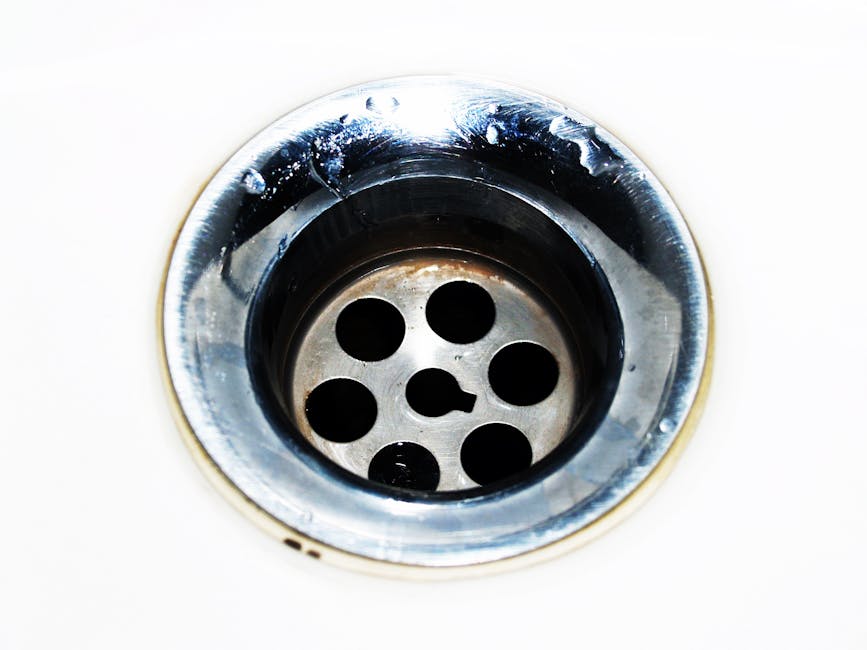
What Grease Trap Cleaning Involves
We access the grease trap — typically located under the kitchen sink or in an exterior vault. The liquid contents are pumped out. Solid grease accumulation is removed from the walls and baffles. Inlet and outlet baffles are inspected, cleaned, and checked for blockage. The structural condition of the trap is recorded in the maintenance log. You receive a written copy of the service record for your files.
- 1Pump liquid waste from trap compartments
- 2Remove solid grease accumulation from walls and baffles
- 3Inspect and clean inlet and outlet baffles
- 4Check for cracks, structural damage, or signs of failure
- 5Record service in the maintenance log and provide a written copy
When You Need Grease Trap Cleaning
Every 30–90 days depending on kitchen output. Most Fort Lee restaurants need grease trap service every 30 to 90 days. The standard guideline is to service before the trap reaches 25% grease capacity — at that point efficiency drops sharply and backup risk rises. High-oil-output kitchens with active fryers and sauté stations fill traps faster than lighter operations. If the trap has never been documented or no service log exists, schedule a cleaning now and use the current condition to set a realistic interval.
Why It Matters
A full grease trap is a code violation under New Jersey state plumbing code and Fort Lee municipal requirements. The Bergen County Utilities Authority can inspect at any time. A failed inspection results in a notice of violation, required emergency service, and a hold on your certificate of continued occupancy until compliance is documented. Beyond the regulatory issue, a backed-up kitchen drain during a service period is a health and operations problem that requires immediate resolution — typically at emergency service rates.
Bergen County Utilities Authority regulates grease interceptor maintenance for commercial kitchens connected to the Bergen County sewer system.
New Jersey Department of Environmental Protection sets the wastewater discharge standards that grease traps are required to meet for commercial food service operations.
NJ Division of Codes and Standards publishes the New Jersey plumbing code that governs grease interceptor installation and maintenance requirements.
When This Service Isn't the Right Fit
- ✕We do not service residential drain systems or grease traps.
- ✕We do not provide drain-line clearing for blockages unrelated to grease trap overflow.
- ✕If the trap is structurally damaged or corroded through, repair or replacement is outside our scope. We will note it in writing, but you will need a licensed plumber for that work.
Questions About Grease Trap Cleaning
- How do I know if my grease trap is full?
- The most common signs are a slow or backing-up kitchen sink, a strong sewage or rancid grease odor near the drain area, and visible grease above the waterline when the trap lid is opened. If you see any of these, service is overdue.
- How long does a grease trap cleaning take?
- Most under-sink grease traps take 45 to 90 minutes. Larger exterior interceptors take longer depending on capacity and access. We can estimate the time based on your trap size when you call.
- What documentation do you provide after cleaning?
- Every service includes a dated maintenance log entry and a written service record showing what was found, what was removed, and the condition of the trap. This is what health department inspectors and the Bergen County Utilities Authority expect to see.
Other Services
Hood Cleaning
Kitchen hood cleaning that fully degreases exhaust hood surfaces, filters, and baffles to remove accumulated grease and carbon.
Learn more →Exhaust Fan Cleaning
Rooftop exhaust fan and housing degreased to prevent grease pooling, motor strain, and mid-service failure.
Learn more →Filter Exchange
Baffle filter swap service — we bring clean filters, install them immediately, and take the used ones off-site to launder.
Learn more →Schedule Grease Trap Cleaning in Fort Lee
Call to set up a visit. We confirm within one business day and schedule around your kitchen hours.
Call (201) 734-5834