Fort Lee, NJ — Bergen County
What's Included in Our Kitchen Hood Cleaning Services
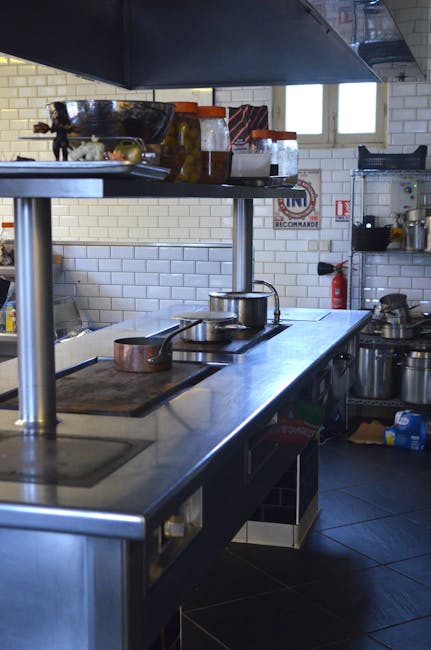
Kitchen hood cleaning done to NFPA 96 standards. We clean the exhaust hood, ductwork, rooftop fan, and grease trap so your kitchen stays compliant and your equipment lasts.

NFPA 96 Compliant
Certified & Insured
Fort Lee & Bergen County
Request a Cleaning
Leave your name and number and we will confirm availability within one business day. We schedule around your kitchen hours — early morning and late evening slots available.
- Dated NFPA 96 certificate issued after every clean
- Before-and-after photos included at no extra charge
- Monday – Saturday, 6 AM – 9 PM
- Fort Lee, Edgewater, Leonia, and surrounding Bergen County
Fort Lee Kitchen Hood Cleaning Services
Commercial kitchen cleaning covers more than the hood. Grease builds across the entire ventilation system — from the filters above the cooking line to the fan on your roof. We clean the full system so every component does its job and your kitchen stays code-compliant. If your kitchen is in Irvington rather than Fort Lee, kitchen cleaning is available through a local provider there.
Hood Cleaning
Kitchen hood cleaning that fully degreases exhaust hood surfaces, filters, and baffles to remove accumulated grease and carbon.
Learn more →Exhaust Fan Cleaning
Rooftop exhaust fan and housing degreased to prevent grease pooling, motor strain, and mid-service failure.
Learn more →Grease Trap Cleaning
Under-sink grease interceptor pumped, cleaned, and inspected to keep drain lines clear and kitchens compliant.
Learn more →Filter Exchange
Baffle filter swap service — we bring clean filters, install them immediately, and take the used ones off-site to launder.
Learn more →| Services | Monthly | Quarterly | Semi-Annual |
|---|---|---|---|
| Hood Cleaning | ✓ | ✓ | ✓ |
| Exhaust Fan Cleaning | ✓ | ✓ | ✓ |
| Grease Trap Cleaning | ✓ | ✓ | — |
| Filter Exchange | ✓ | — | — |
| All Areas: Fort Lee · Edgewater · Cliffside Park · Palisades Park · Fairview · Englewood · Teaneck · Hackensack | |||
When to Schedule Kitchen Hood Cleaning
NFPA 96 sets the minimum cleaning frequency by cooking type and volume. High-volume operations — woks, char-broilers, open-flame equipment running long hours — require monthly service. Most Fort Lee restaurants running standard grills and fryers fall into the quarterly category. Low-volume or solid-fuel systems are due every six months.
If you are unsure where your kitchen falls, the first visit includes an assessment of actual grease accumulation. We photograph the system before and after every clean so you have a documented record. That record is what your fire marshal and insurance carrier will request during an inspection or claim.
An expired cleaning certificate is not just a paperwork problem. Most commercial property policies exclude fire damage when the ventilation system was not maintained on schedule. The New Jersey Division of Fire Safety enforces NFPA 96 during routine inspections. A failed inspection can result in a temporary closure until compliance is documented.
What Determines How Often Your Hood Needs Cleaning
Different kitchens accumulate grease at very different rates. A restaurant running wok burners and char-broilers through a full dinner service will build grease significantly faster than a café running light equipment a few hours each day. NFPA 96 sets the cleaning interval based on cooking type — not estimates, not approximate volume. The standard is specific.
Most restaurants fall into the quarterly category: standard grills, fryers, and ovens running a full lunch and dinner service. High-volume operations using open-flame or high-fat cooking move to monthly. Lower-volume kitchens — light cafeteria lines, sandwich counters, or seasonal operations — may qualify for semi-annual service.
If you are not certain where your kitchen falls, the first visit includes an inspection of actual grease accumulation. We look at what is in the system, not just what you cook, and recommend a schedule from there. The goal is to keep you compliant without scheduling more often than your kitchen requires.
Factors that move you toward a shorter interval
- High-heat cooking — char-broiling, wok cooking, deep frying, open-flame equipment
- Long daily service hours with cooking equipment running continuously
- High output — large covers-per-shift from a single kitchen line
- Any solid-fuel equipment such as wood-fired ovens or charcoal grills
- Systems that have gone a long time between cleanings — heavy buildup compounds and accelerates accumulation
Bergen County Health Department and fire safety inspectors treat the NFPA 96 schedule as a minimum requirement — not a suggestion. Your insurance carrier may impose a stricter interval based on your specific policy. When in doubt, the shorter interval is always the safer position.
Who We Don't Work For
This is a commercial service for restaurants, cafes, cafeterias, hotels, and similar food service operations with permanent kitchen installations.
- ✕We do not clean residential range hoods.
- ✕We do not service food trucks unless they operate from a fixed commissary with a standard exhaust system.
- ✕If your hood has not been cleaned in more than two years, expect the job to take longer and cost more than a routine maintenance clean. Heavy buildup requires additional time and materials.
How a Hood Cleaning Works
Every visit follows the same four-step process. No surprises, no shortcuts.
Pre-service assessment
We photograph the system and record grease levels before starting. This gives you a documented baseline for your records and insurance file.
Equipment protection
Cooking equipment and nearby surfaces are covered with protective plastic sheeting before any degreasing begins.
Full system degreasing
Hood surfaces, baffles, ductwork entry points, and the rooftop fan are scraped and degreased to bare metal.
Certificate and documentation
A dated service certificate is affixed to the hood. You receive a copy for your records and for your fire marshal or insurer.
What the Service Certificate Means for Your Business
After every cleaning, we issue a dated certificate and affix it directly to the hood. The certificate records the date of service, the cleaning company, and the interval that applies to your kitchen. It stays on the equipment — not in a filing cabinet — because that is where fire marshals look during an inspection.
During a routine New Jersey Division of Fire Safety inspection, an expired or missing certificate creates a compliance problem on the spot. Kitchens found out of compliance can receive an order to cease operations until the work is documented and completed. The certificate is your proof that service was done on time and to the required standard. There is no workaround for a missing one.
The certificate also matters when you file a commercial property insurance claim. Most policies require proof that the ventilation system was maintained on the schedule required by NFPA 96. An expired certificate at the time of a fire can result in a denied claim, regardless of what caused the fire. A kitchen that had a clean, current certificate in place at the time of a loss is in a far stronger position with its carrier than one that cannot produce documentation.
Areas We Serve
We provide commercial kitchen cleaning and kitchen hood cleaning throughout Fort Lee and nearby areas such as Edgewater, Cliffside Park, and Leonia. Contact us to confirm availability at your specific location.
We schedule early-morning and late-evening slots throughout the week to avoid interrupting your lunch or dinner service. Most clients choose service between 3 AM and 7 AM so the kitchen is clean and ready when the first prep shift arrives.
Frequently Asked Questions
- How often does a restaurant hood need to be cleaned?
- NFPA 96 requires monthly cleaning for high-volume operations using woks, char-broilers, or solid fuel. Moderate-volume kitchens running standard equipment need quarterly service. Low-volume or infrequent-use operations are due every six months. Your fire marshal or insurer may set a shorter interval regardless of cooking volume.
- What happens if I skip a scheduled hood cleaning?
- An expired cleaning certificate can void a fire insurance claim and result in a failed health department inspection. Grease buildup is the leading cause of commercial kitchen fires. A missed service creates financial risk on two fronts: the cost of a fire claim denial and the cost of a forced closure.
- Do you clean hoods at night so the kitchen can operate during the day?
- Yes. Most Fort Lee clients schedule early-morning service between 3 and 7 AM, or late evening after closing. We work around your kitchen hours and leave the space clean and ready before your staff arrives.
- Do you provide a certificate after cleaning?
- Yes. Every cleaning includes a dated service certificate affixed directly to the hood and a copy for your files. This is what your fire marshal and insurance carrier will ask to see during an inspection or claim review.
Ready to schedule a cleaning?
Call to set up a visit. We confirm within one business day and work around your kitchen schedule.